
Home › Forums › Photo Critique › chickadee
- This topic has 9 replies, 4 voices, and was last updated 11 years, 4 months ago by
 James Staddon.
-
AuthorPosts
-
April 1, 2015 at 7:34 am #10493
 Nathanael & Samantha FrazerModerator
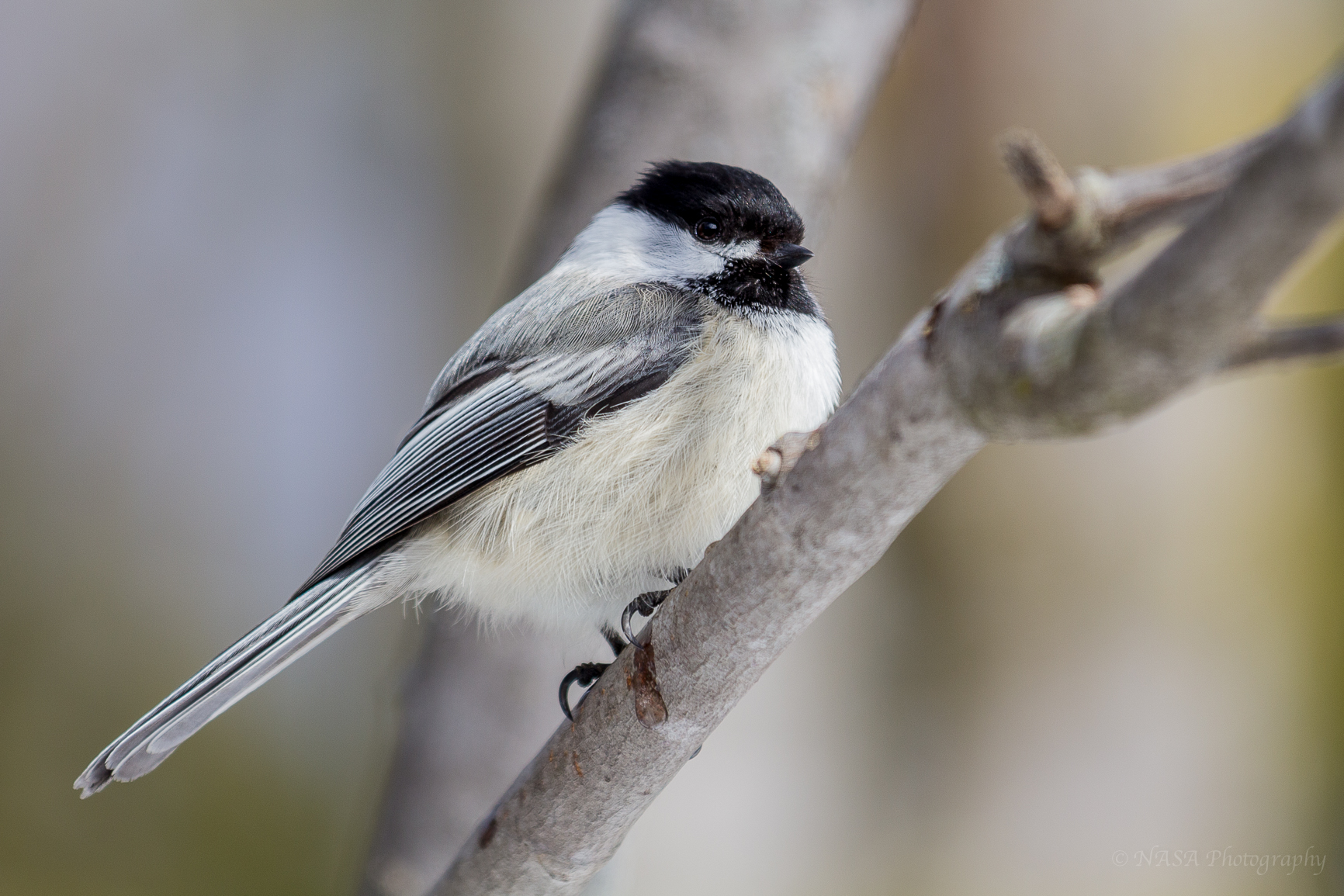
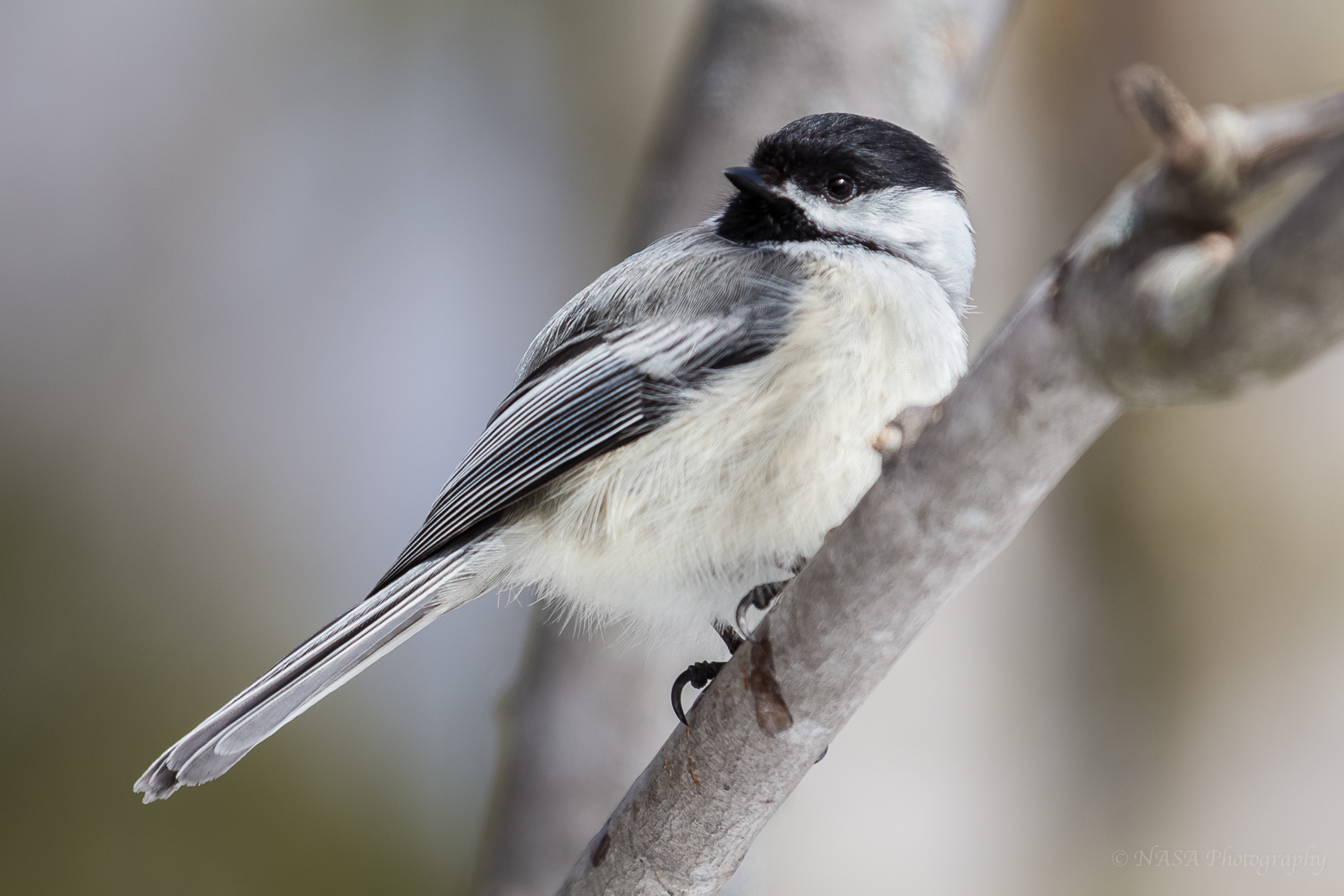
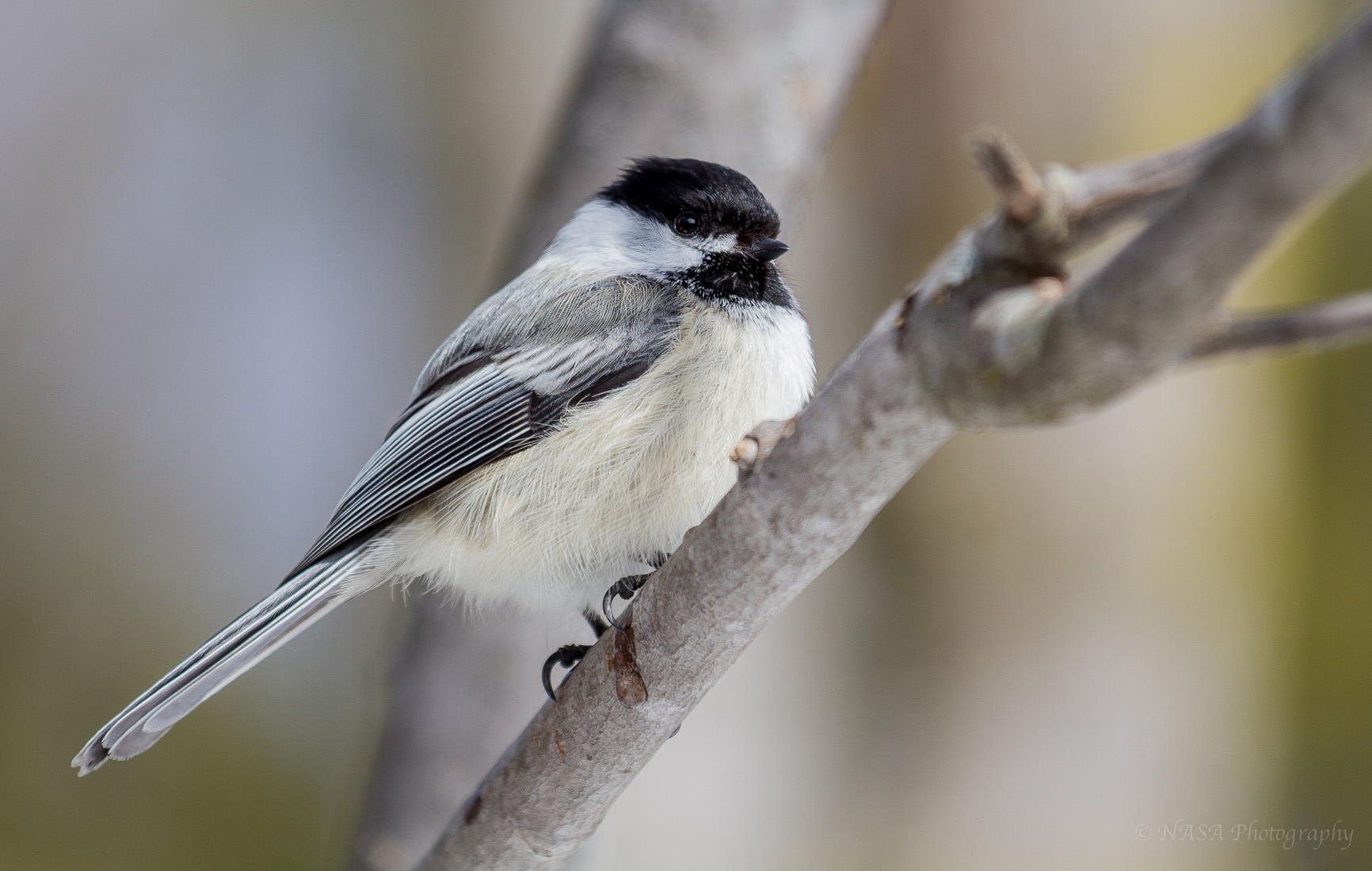
Hi, went out the other morning to try to capture some rather ‘flighty’ subjects, and came in with only a few. (lack of time) We have been wanting to start getting into bird portraiture. (before venturing into birds in flight) I kind of like these two, but they don’t have the “punch” I would like to see. I’d love to have some ideas particularly in regard to cropping, but any other input would be appreciated.
I was in amongst the snowbanks on a roof, but still visible to the birds, which didn’t bring them all that close.
Both shot on 60d 70-200 2.8 IS II with 2x tele III both at iso 250, f/5.6, first one at 380mm the other at 400mmThanks in advance!
Attachments:
April 1, 2015 at 8:51 am #10496Ezra Morley
ModeratorWow, I can see why people invest in L series glass! You can see every individual pin-feather! In my brief photographic history, I’ve never personally had a chance to see such results from a long lens. I’ve used a cheapo 70-300 lens, which doesn’t begin to hold a candle to this!
One tip I’ve heard many times in regards to animal/people photography. Focus on the eye. If the eye is tack sharp, that goes a long way toward creating a “compelling” image. With the ability to select focus points, it shouldn’t be too hard to put one focus point over the eye, and focus on it. On the other hand, there’s a quote by world famous photographer Ansel Adams:
There is nothing worse than a sharp image of a fuzzy concept.
I like the little “catch-light” on the eye, that also helps to “make” the image. If the eye is just a black blob, how can you even tell if it’s in focus or not?
As far as cropping is concerned, I think the crop might be just a little bit tight. Try giving him a little room to breathe on the right. I’ve heard that you’re supposed to put some space in the direction that the animal is looking, so it doesn’t look like it’s looking right out of the frame.
April 2, 2015 at 6:20 pm #10501Nathanael & Samantha FrazerModeratorThanks for your input! Here are the completely uncropped images: Where would you crop these?
Good point, I’ll work on the eye part. Still getting used to ‘aiming’ 400mm. Do you have any experience using a flash to put catch-light in an animals eye? I have a few failed shots for that very reason – a black eye amidst black plumage; for all photographic purposes, it might as well have not had an eye at all. I really had to get it where the sun was shining directly on the eye.
As to lenses, yes a good lens helps, but I must say that Samantha has gotten some fabulous shots on a 55-250 in the past, (think a notch down from the 70-300) so don’t let it discourage you!Attachments:
April 2, 2015 at 9:51 pm #10505ModeratorOh I see, that lens+extender combo really fills the frame! In my humble opinion, the second image doesn’t need cropped at all. It’s got some space for the bird to “look” into, and I wouldn’t take much, if any out. The branch in the foreground does seem a bit distracting, but that’s one of those things that can’t be helped; the only thing you can do is try again! I love using lenses to capture things up close, whether it’s a zoom lens for something farther away, or a macro lens, for something up really close!
As to your question about catch-lights… I have never tried using flash for wild animal photography. (I have used it for pet portraits though). I imagine that bright flashes and camouflage don’t go real well together if you’re trying not to let the subject know that you’re there. However, if they don’t mind it, I’m sure it would improve your shots if you could actually make it work. It would have the added bonus of a little fill light, you could theoretically underexpose to get the background properly exposed and use flash to fill in the bird. I’ve never tried it, so that’s just speculation on my part.
As to 55-250 and 70-300 lenses, you’re right, you can occasionally get a picture that surprises you. But on the whole, those lenses just don’t measure up, and they really can’t compete, especially with a “fast” 2.8 L lens.
Attached are a few examples of what I mean, the second one is a “typical” shot, that’s what I normally got. The first one would be what I considered “sharp”. Taken with a Rebel T3 and Sigma 70-300 @ 1/640 sec. and f/8-f/9
Of course I should add that auto-focus could have been more the culprit here, I have no way of testing my theory any more, but either way, that’s what I was getting, whether it was the lens’s fault, or the autofocus…
Attachments:
April 3, 2015 at 6:15 am #10511Nathanael & Samantha FrazerModeratorI guess I forgot to mention- this little guy did come much closer to me than normal, I think he may not have seen me (at that point) This attached picture would be a little more typical, even with 400mm. I would need some camo and be sneakier, or choose larger subjects
Like the gull, good and sharp! Like the crane(? sorry, no good with birds) too, as you said, the gull is sharper. As you know, autofocus (in Canon systems) is a joint effort between the lens and the body. That is what impresses me the most with the 70-200, actually. The image quality is a plus.
Thanks for your input. Shooting birds always makes me tempted to crop perhaps too far in – maybe just for the technical fun of it! I’ll leave it uncropped now! Now that I stand back a bit, I def agree with you.April 14, 2015 at 9:13 am #10609Frazer Family
ParticipantIf you are willing to wait for your “perfect” picture, chickadees are probably the most willing of birds to get close to you. I’ve been trying all winter to get a “portrait” shot of a chickadee in a specific posture in a winter-looking environment. The limiting factor of only having an 18-55 lens is not an insurmountable problem. It only gives rise to a challenge that demands creativity and patience. I’ve probably spent hours out with the birds (no camouflage), letting them get to know me and overcome their fear. After a lot of failed shots, I was thrilled to get this one last week. (It’s still winter here. 🙂 ) I was standing about 4 feet away from the bird feeder.
Attachments:
April 14, 2015 at 6:35 pm #10620Nathanael & Samantha FrazerModeratorVery nice! And yes, Chickadees are definitely willing subjects, relatively speaking. I haven’t spent the time out there for them to ‘get to know me as of yet. Hopefully time will get them, and other birds used to our presence.
May 14, 2015 at 8:34 am #10891 James StaddonKeymaster
Hey, going through old posts here. Impressive clarity in the chickadee images. Wish I had the patience and determination like you guys!
As for cropping, I really don’t have much to say. It’s amazing you were able to get so precise with the original shot.
Perhaps on the second image a crop down from the top might help. I don’t know. Depends if you don’t mind breaking out of the 2:3 ratio. The attached image has a quarter inch cropped off and I think it adds a little out-of-the-box flavor.
I wouldn’t crop it on any of the other three sides: The tail is the perfect distance from the left and bottom sides, and I really like the natural frame of dark green on the right side of the image. (I tried keeping the proportions and cropping from the top and right, and I didn’t like it!) So, the top was the only thing left to crop!
Attachments:
May 15, 2015 at 5:39 am #10907Nathanael & Samantha FrazerModeratorWoohoo! Thank you James, it finally “clicked” for me like that 🙂 Just needed to get out of my 2×3 box!
May 19, 2015 at 8:31 am #10927James StaddonKeymasterOh, really? Sweet!
-
AuthorPosts


You must be logged in to reply to this topic.