
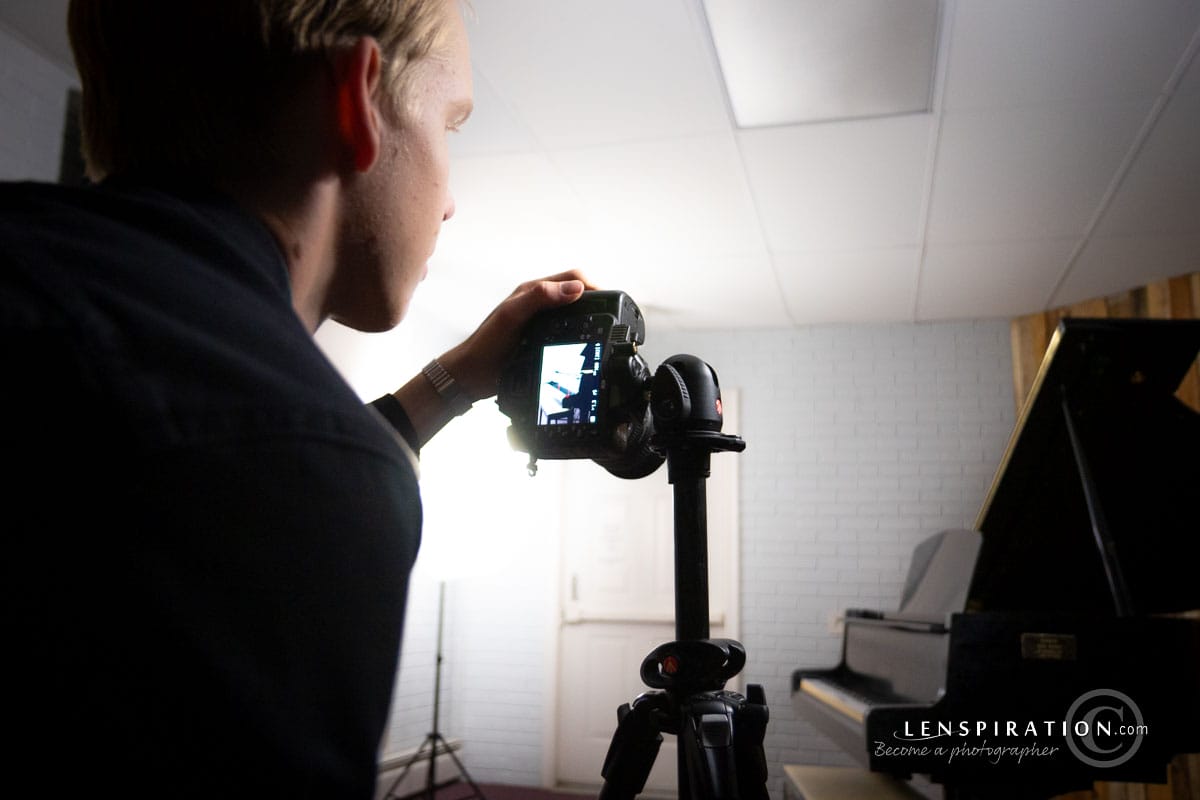
I wasn’t coming up with enough time to write a blog post story this week, as I was starting into preparing the Lenspiration 2027 Calendar, making plans for photographing a wedding in September, and assembling content for my first Art Show at our town’s local Apple Butter Festival in October. However, I did have permission to share with you the following content which covers a new topic in photography I’m learning about: brand photography. And I hope it will be helpful for those of you who are getting more comfortable with your camera and have begun thinking about where to actually take your photography in the future!
There’s a point when you may realize photography is deeper than just a reaction to inspiration, so you begin wondering if it could actually become a profession. Perhaps friends regularly ask you to photograph their products, portraits, events, or social media content. Or, perhaps local businesses have started noticing your portfolio, so you have begun thinking about what it might be like to earn money with your camera.
You might also discover that your enjoyment of photography goes beyond taking the picture itself. You enjoy planning shoots, solving problems, directing people, finding the right light, and creating images with a clear purpose. That broader skill set matters in a profession where 66% of photographers were self-employed in 2024 (according to the U.S. Bureau of Labor Statistics), so building a career involves managing both the creative work and the business behind it.
That realization can be exciting, so the move from enthusiastic hobbyist to working photographer requires a more deliberate approach. Today, professional photography is a creative discipline, but it is also a service business built around reliability, communication, commercial awareness, and consistent results.

Start with a specialty that fits your strengths
Your first serious decision concerns the kind of work you want to pursue, so think carefully about the subjects and situations that genuinely interest you. “Photography” is too broad a market position to tell a potential client much about your services.
Portraits, food, products, architecture, hospitality, editorial work, corporate imagery, and lifestyle campaigns all demand different skills, so your portfolio should give people a clear reason to contact you. You do not need to commit to one narrow category forever, but a focused starting point gives you direction.
If you enjoy working with people and businesses, commercial photography could offer a particularly useful path because the images support marketing, advertising, public relations or sales. That purpose changes the conversation from “Do you like this photograph?” to “Does this image solve the client’s communication problem?”
Ultimately, your creative skills still matter, but your commercial awareness becomes equally valuable.

Build a portfolio that answers real business questions
A professional portfolio needs to demonstrate more than just nature photos or technical competence, so think about the decisions a potential client will make while looking through your work. A restaurant could need photographs of more than just its food, but also its space, staff, and customer experience.
A clothing company could need consistent product images alongside campaign photographs. A consultant could need portraits and workplace images that communicate expertise without appearing stiff.
Your portfolio should therefore contain a coherent selection of work with clear visual logic. If you have not worked with commercial clients yet, create carefully planned test shoots with small businesses, makers, independent professionals, or your own projects, such as utilizing the Shoot to Serve Assignments.
Treat each shoot as a case study, so consider the audience, objectives, location, styling, shot list and final applications. This process gives you stronger evidence of professional judgment than simply displaying your favorite photographs. It also helps you discover which types of assignments you genuinely enjoy.

Understand what brand photography involves
This is where many aspiring professionals discover an important distinction, so you should look beyond individual photographs and consider the wider visual needs of a business. Today, brand photography involves creating a collection of images that communicates a company’s identity, values, personality, products, people and market position.
A session could include portraits, behind-the-scenes photographs, products, workspaces, details, and action images so the resulting library can support websites, social media, advertising, editorial coverage, and other marketing channels.
You need to understand the business (here’s an article* showing step by step how a photography business could be started in 60 days) before picking up your camera, because the strongest images usually begin with useful questions. What should customers feel when they encounter the company? What makes it recognizable? How should its people, products or services appear?
Consistency in lighting, composition, color and tone helps a business present a coherent identity across multiple channels. Your job thus involves visual storytelling, commercial strategy, and photography all at the same time.

Learn to sell outcomes, not hours
One of the biggest psychological changes involves pricing, so you need to stop thinking only about how long you spend taking photographs. A project can involve planning calls, creative development, location scouting, equipment preparation, travel, shooting, file management, editing, delivery, licensing and administration.
Your price needs to reflect the complete service, so a two-hour shoot could still involve a substantial amount of work before and after the camera comes out. You also need to understand usage rights, because a photograph used on a company website can have a different commercial value from one used in a national advertising campaign.
Clear proposals and written agreements protect both sides, so they should explain deliverables, payment terms, usage rights, cancellations, expenses and deadlines. Professional photography organizations (such as the American Society of Media Photographers) provide business resources that cover contracts, copyright, licensing, estimates and other practical matters.
Those subjects might feel less exciting than lighting, but they are fundamental to a sustainable career.

Develop a workflow clients can trust
Creative talent can open the door, but Christ-like character and professional habits help you keep working. Businesses appreciate photographers who respond clearly, arrive prepared, maintain organized files, communicate realistic timelines and handle unexpected problems calmly.
Your workflow should cover everything from the initial inquiry to final delivery, so create a repeatable system for discovery calls, quotes, contracts, shot lists, backups, editing, galleries, invoices and follow-up.
You should also become comfortable directing people who feel awkward in front of a camera. A business owner may know everything about their company but have little experience posing or appearing naturally in photographs.
Your ability to create a relaxed setting can directly affect the quality of the final images, so interpersonal skill becomes closely connected to technical skill. The best photograph could depend on your ability to ask the right question, give clear direction or help someone forget that a camera is pointed at them.

Treat your reputation as part of your portfolio
The jump from hobby to profession rarely happens through one dramatic breakthrough. It usually comes from a series of small, credible decisions. You build a portfolio that reflects the work you want, approach suitable clients, deliver reliably, learn from every project, and gradually become known for solving a particular visual problem.
You should keep developing your technical knowledge, of course, so lighting, composition, color management, editing, and equipment choices remain important foundations. At the same time, commercial photography requires an understanding in business, marketing, customer behavior, and communication as well.
A company is rarely hiring you simply because you can operate a camera. It is hiring you to help communicate its value through images. Your understanding of that responsibility can distinguish you from someone who simply takes attractive pictures.
Once you begin thinking like both a photographer and a service provider, your hobby can become a sustainable professional practice built around creativity, character, and trust.




0 Comments