
“Till I come, give attendance to reading, to exhortation, to doctrine. Neglect not the gift that is in thee, which was given thee by prophecy, with the laying on of the hands of the presbytery. Meditate upon these things; give thyself wholly to them; that thy profiting may appear to all.” –I Timothy 4:13-15
I can’t help it—I just love looking for analogies between Scripture and landscape photography! How does God’s creation and the laws of nature point us to Him? How are God’s ways illustrated in the world around us? Even simple concepts in photography, like color theory, can direct our attention to spiritual lessons.
One analogy that I was thinking about the other day started formulating in my head after reading a great quote from another photography educator:
“[Through school, children’s books, etc.] we have a conception of color in nature which is usually incorrect. We think that grass is green, the sky is blue, clouds are white, the sun is yellow, and water is blue. In reality, these objects reflect different colors, depending on the weather, lighting, and seasons. Studying color in nature, by spending time outside, is the only way to cure these misconceptions.” –Dave Marrow
So, lets take a look and see what this photographer is talking about!
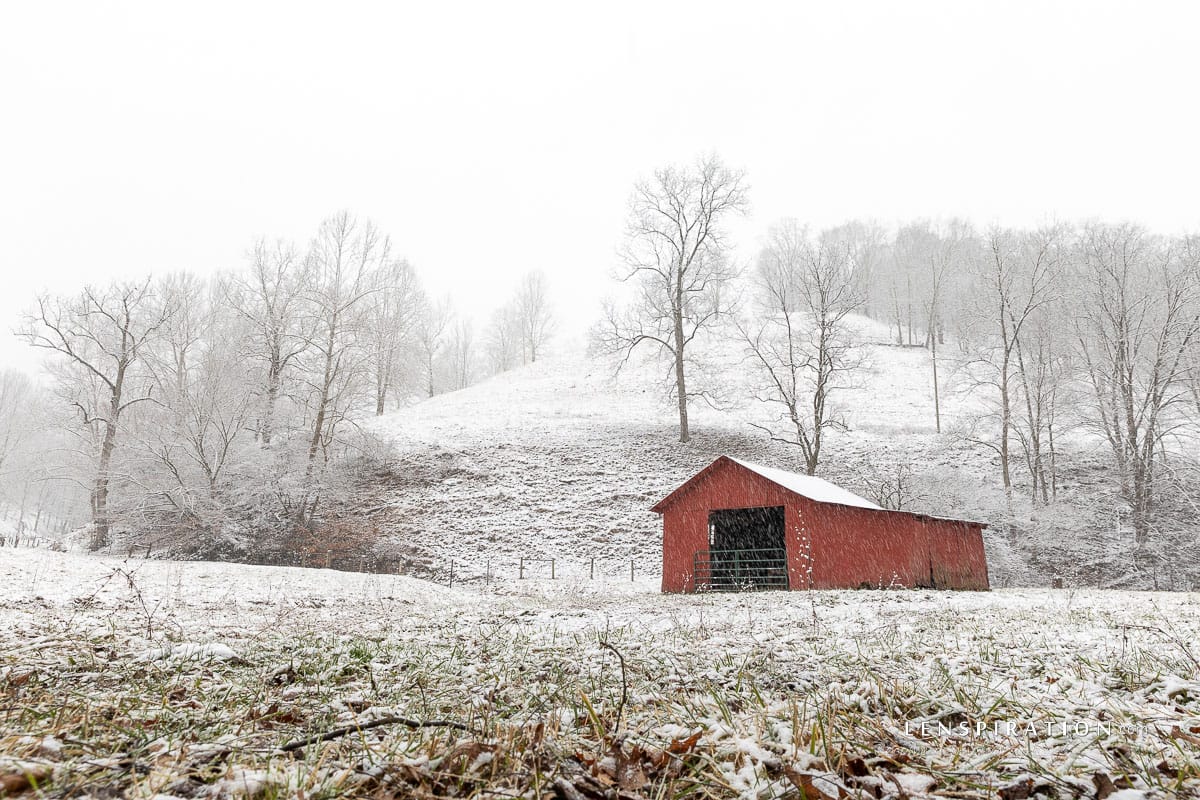
Let’s start with snow. We think snow is white. And guess what? It is! Or maybe I should say, it can be. And the above photograph is a good example of that.
In another mid-day snowy scene example, you can see exactly the color of the snow:
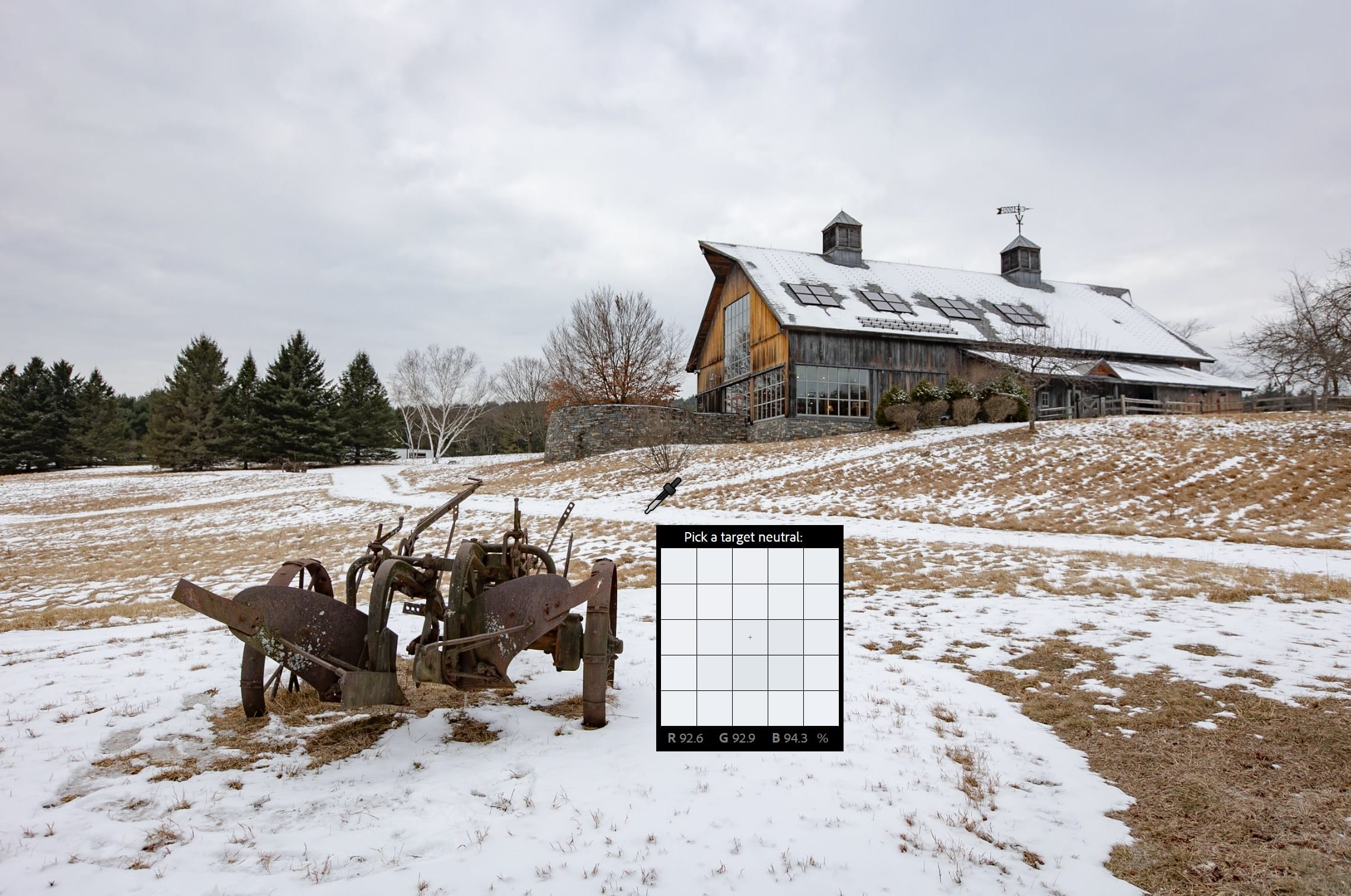
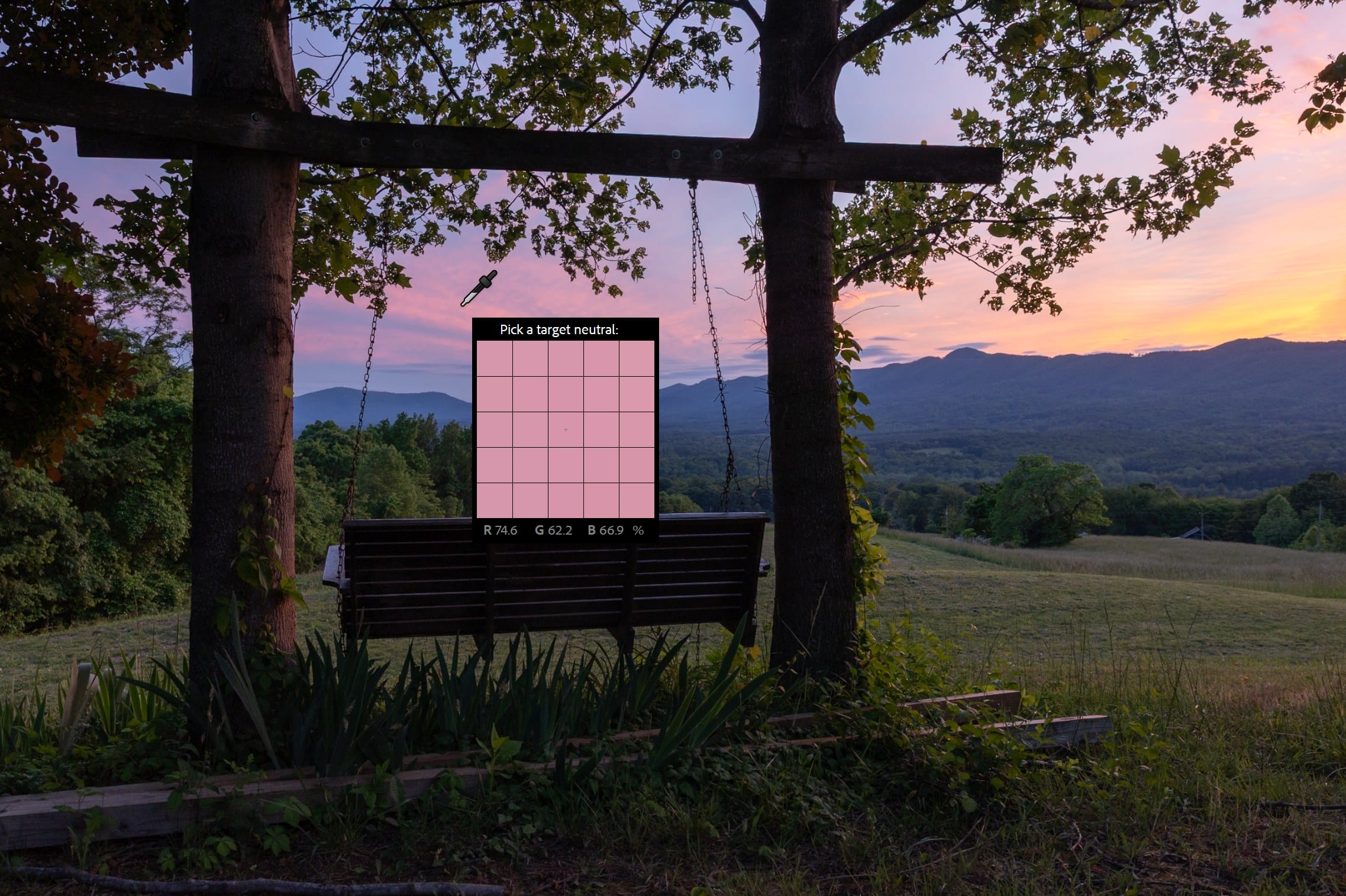
Notice the R, G, and B values at the bottom of the little box below Lightroom’s color picker tool? When those values are equal to each other, it indicates the “picked pixel” is neutral in color. It has equal values of Red, Green, and Blue, thus not biased toward one color or another. Also, the higher the numbers, the brighter the pixel; the lower the numbers, the darker the pixel. So yes, in this photo, the snow is indeed basically neutral in color, and also very close to bright white on a cloudy day.
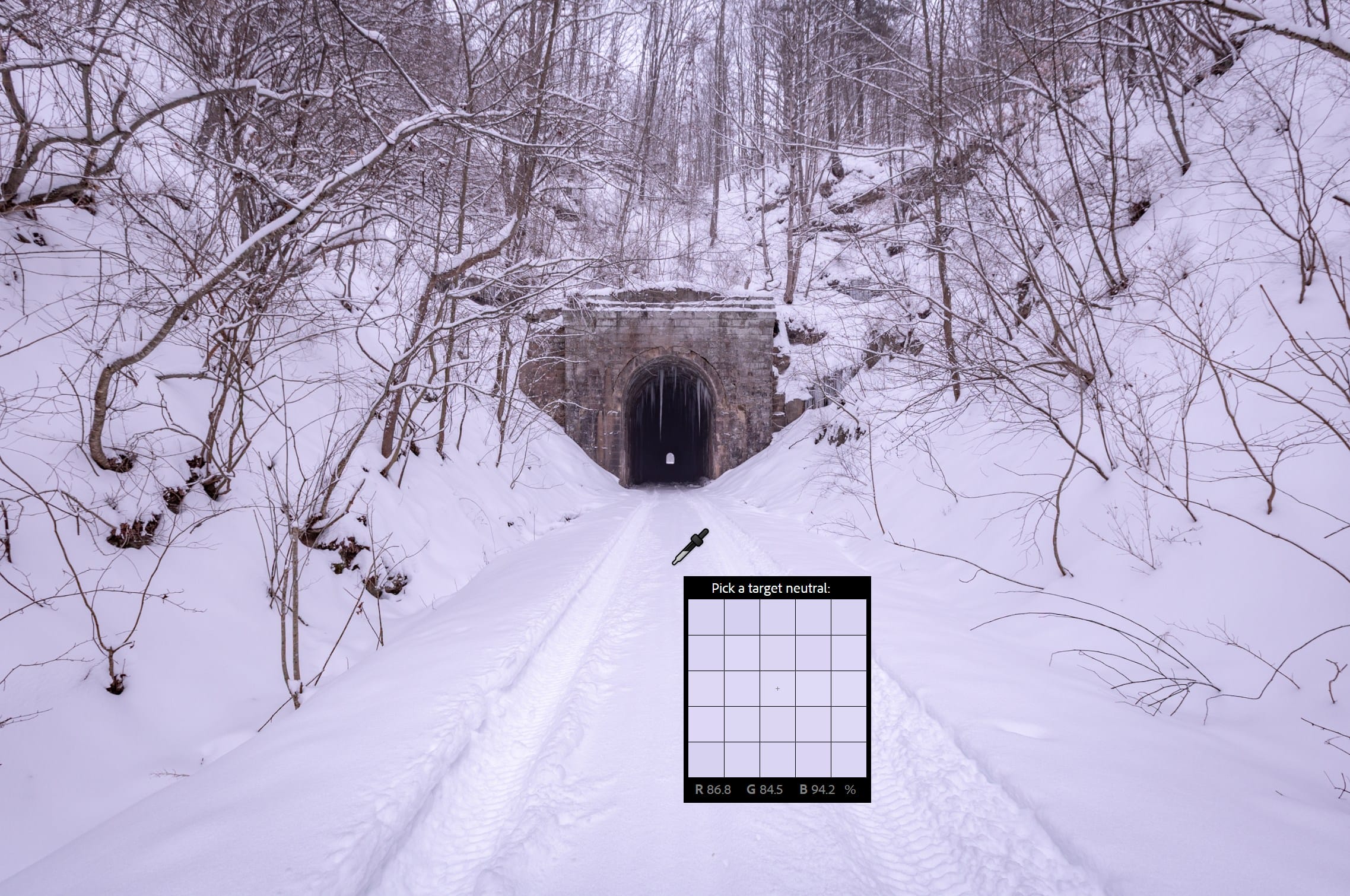
But what about at sunset? Even on a cloudy day, the colorful light of sunset filters through, and the snow takes on an non-neutral tone. In the following photo, the snow feels more cool than the previous snowy examples. And in post-processing, I nudged it more toward a pinkish hue to accentuate what I remember experiencing the light being like on that particular day.
And then when the sun is below the horizon, wow! Snow is definitely no longer white! It becomes as blue as the sky itself! See how in the photo below, the picked pixel is biased heavily toward Blue?
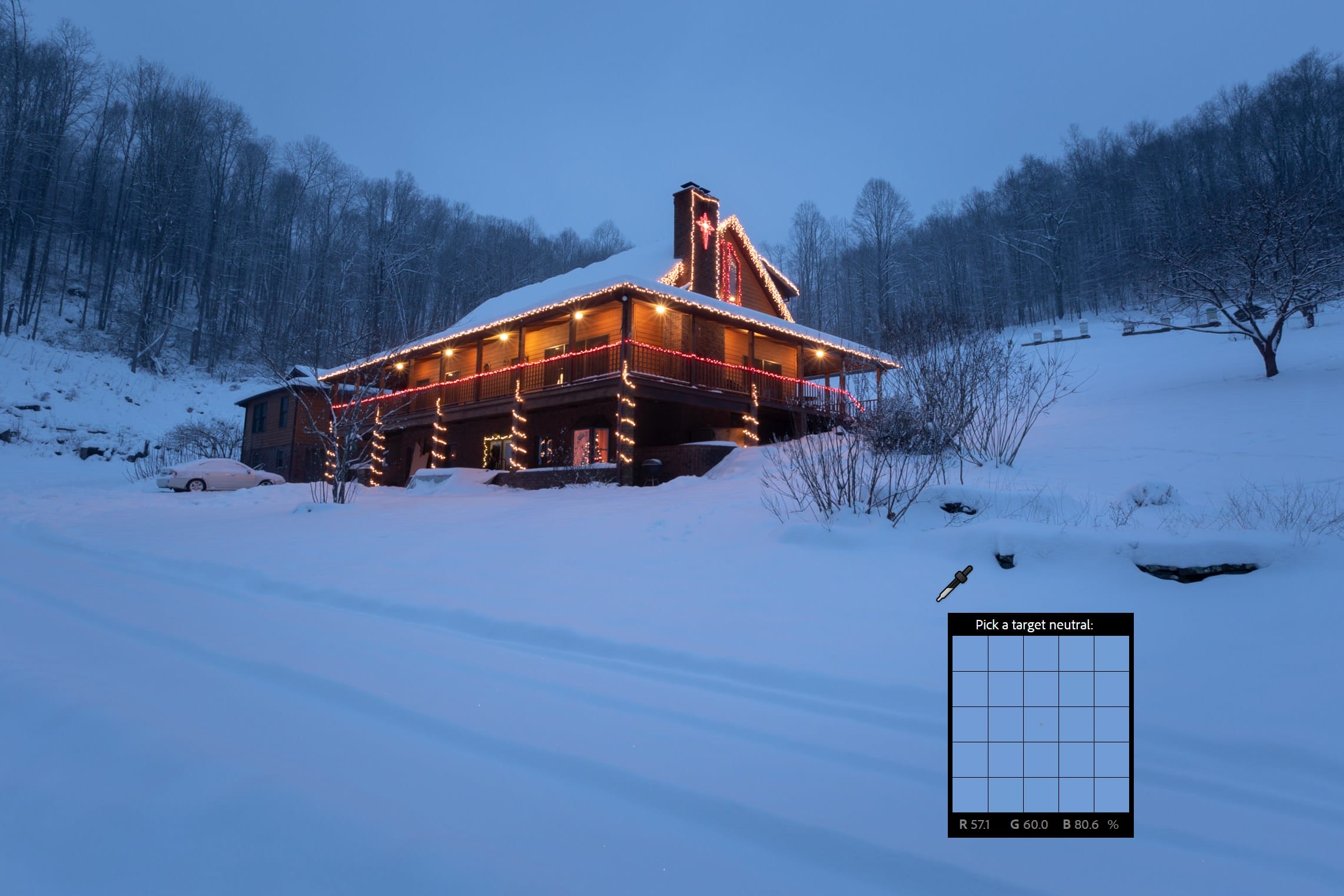
We think of snow as white because, well, it is white . . . sometimes. But the more time we spend photographing in the outdoors, the more we’ll realize snow can be actually be all sorts of colors.
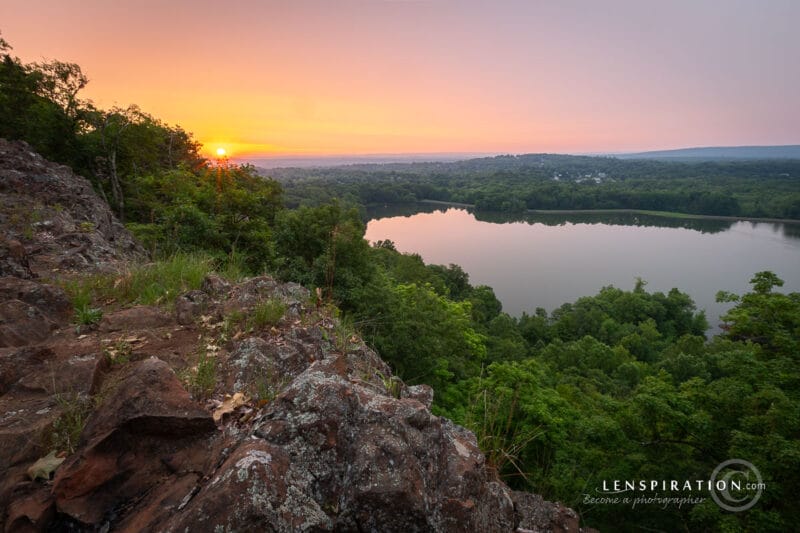
The same is true with leaves, grass, and other greenery. We think of trees as being green. And that’s because yes, leaves are generally green in color.
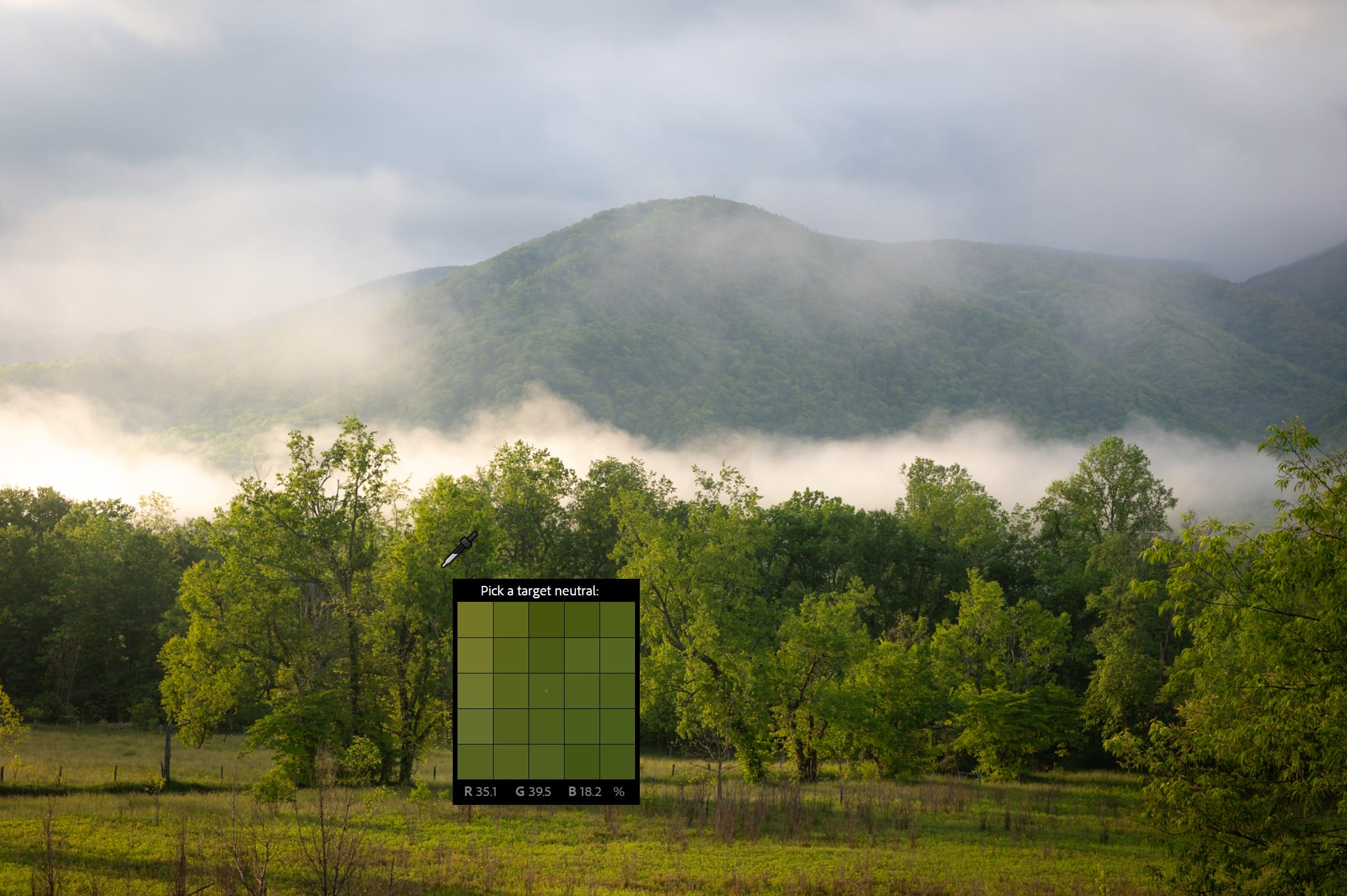
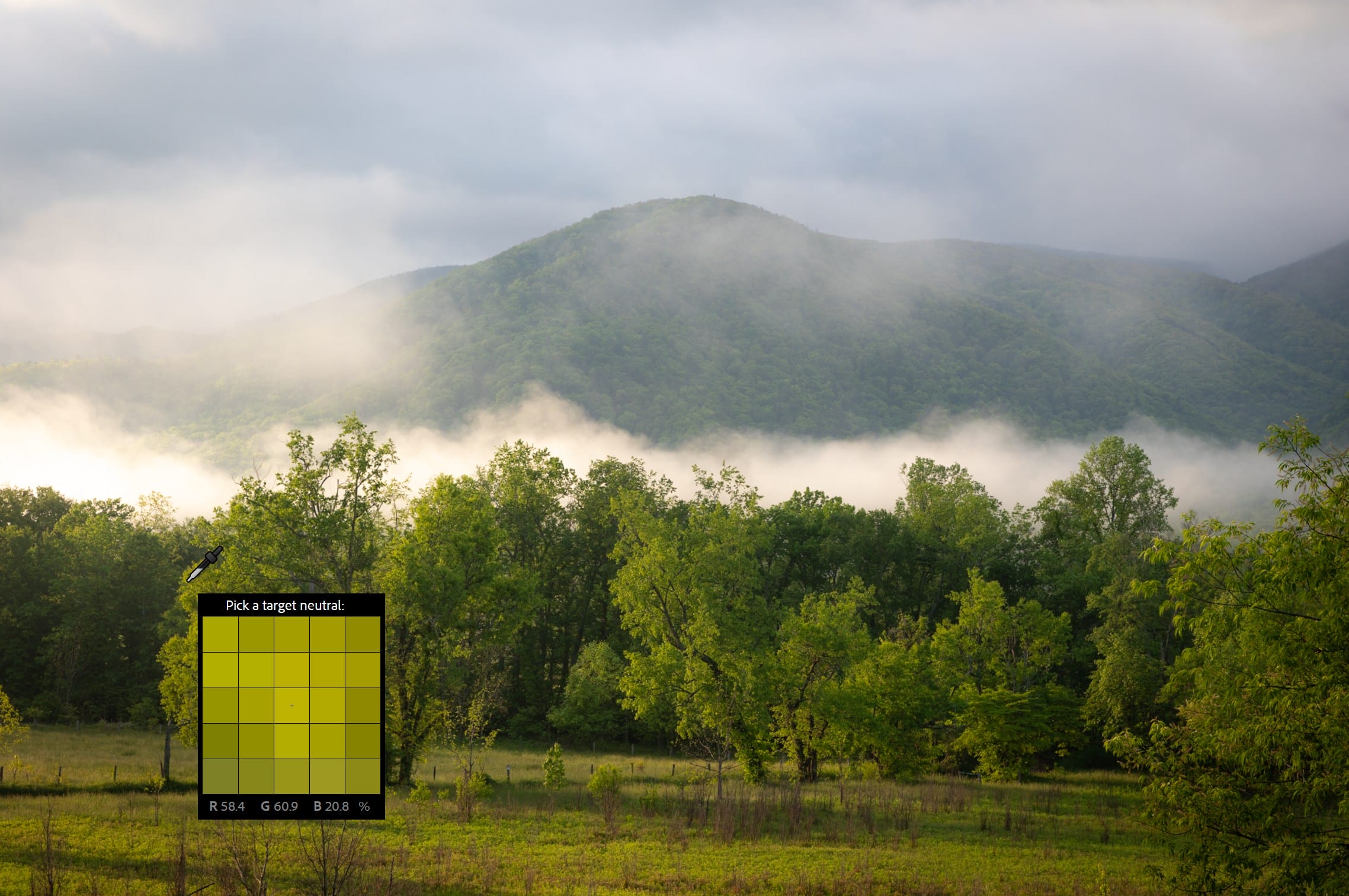
But what about when the morning light is hitting them? They are almost more yellow than they are green.
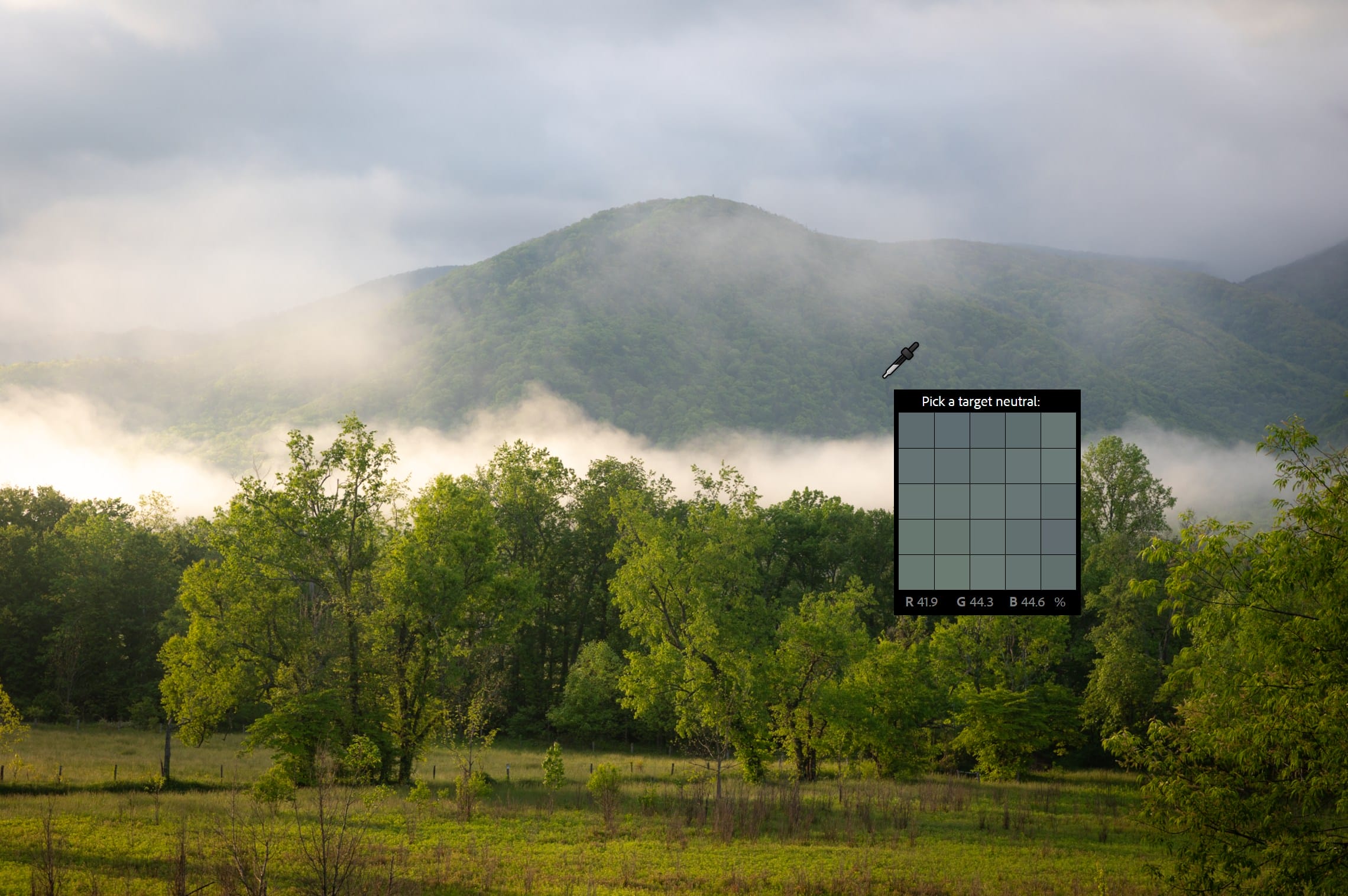
And what is the color of the trees in the distance? I was surprised to see that the color was actually almost dark gray, only very slightly biased toward blue-green.
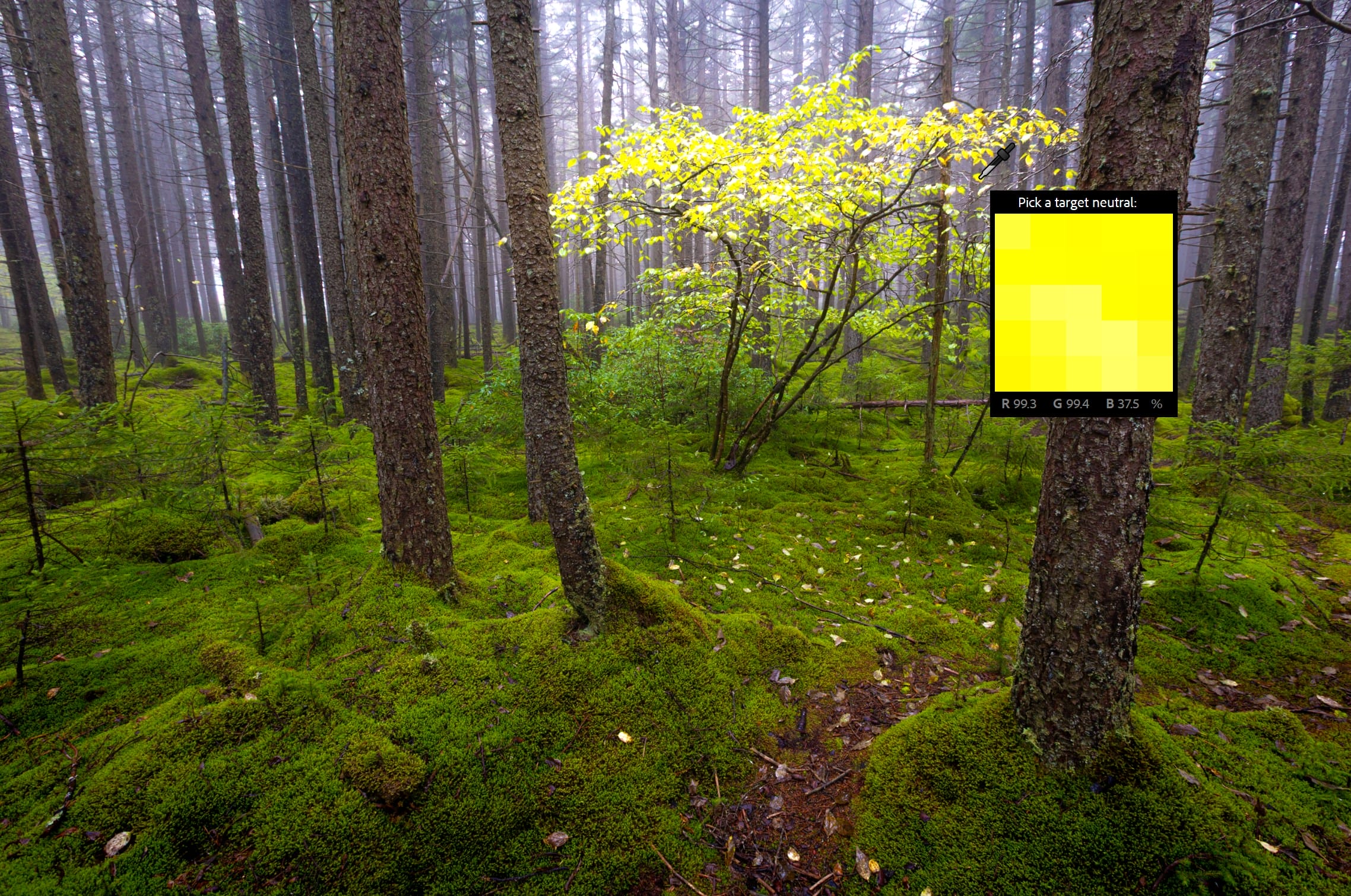
And then of course, with the changing seasons, leaves are no where even close to “green” in autumn! Even in the following photo, taken in September, the leaves are able to be used as a contrasting color to the green moss . . . because leaves, grass, and other “greenery” are not always green.
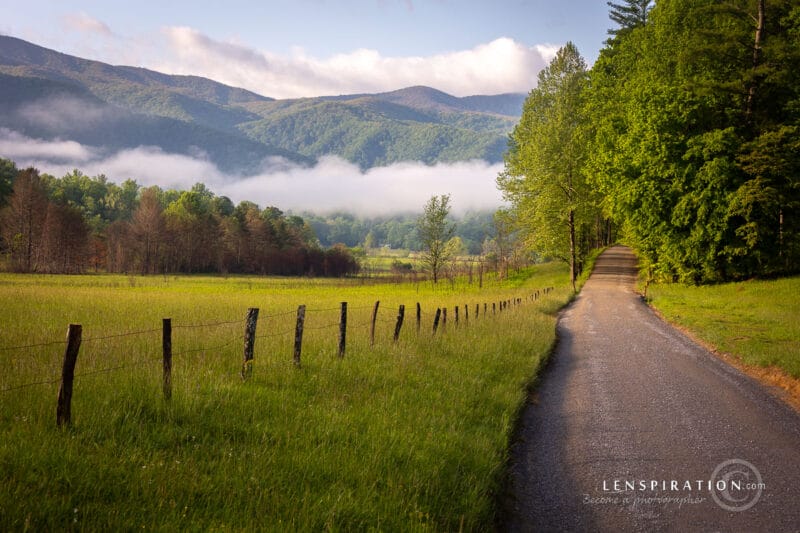
Going back to trees in the distance, here’s a photo with trees very far away. And how do you know that trees on distant mountainsides look more blue the further away they are? You could have read it in a textbook somewhere, I’m sure. But more than likely, you know this “law of nature” from personal experience. From your own observations . . . while spending time in the outdoors.
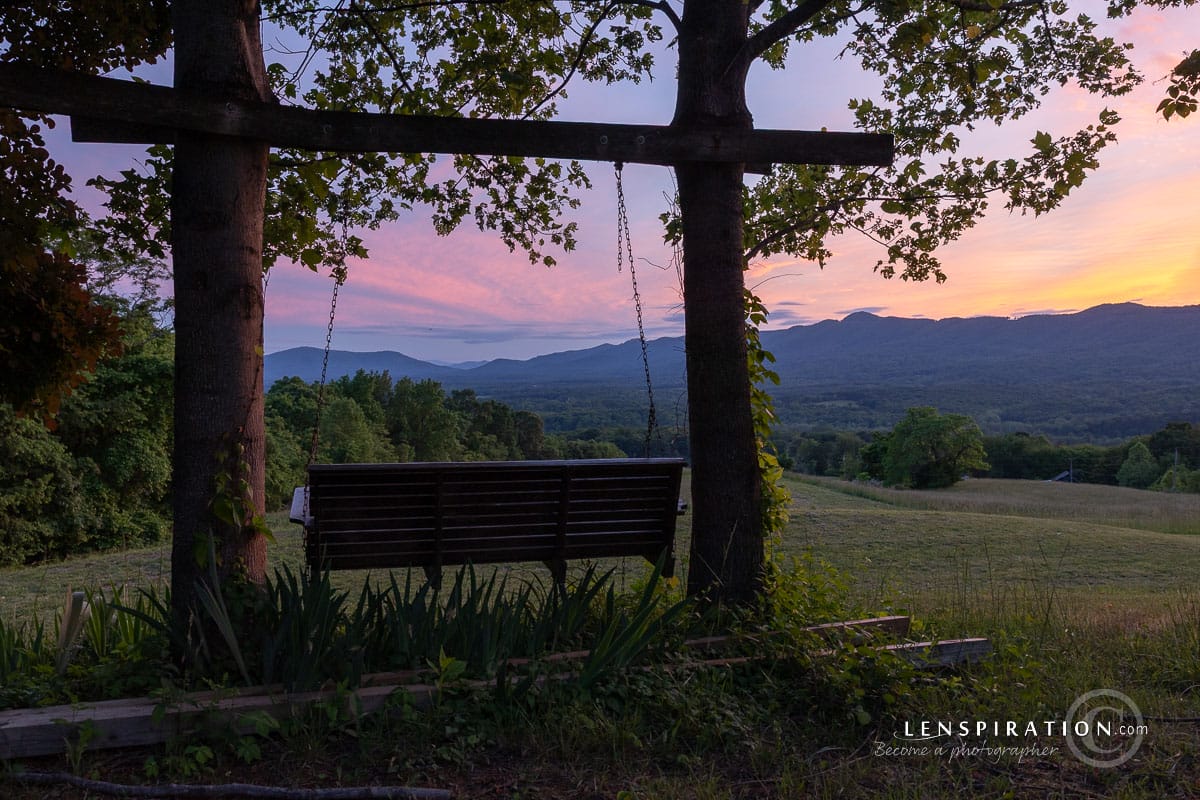
And we obviously don’t have white clouds in this photo. 🙂
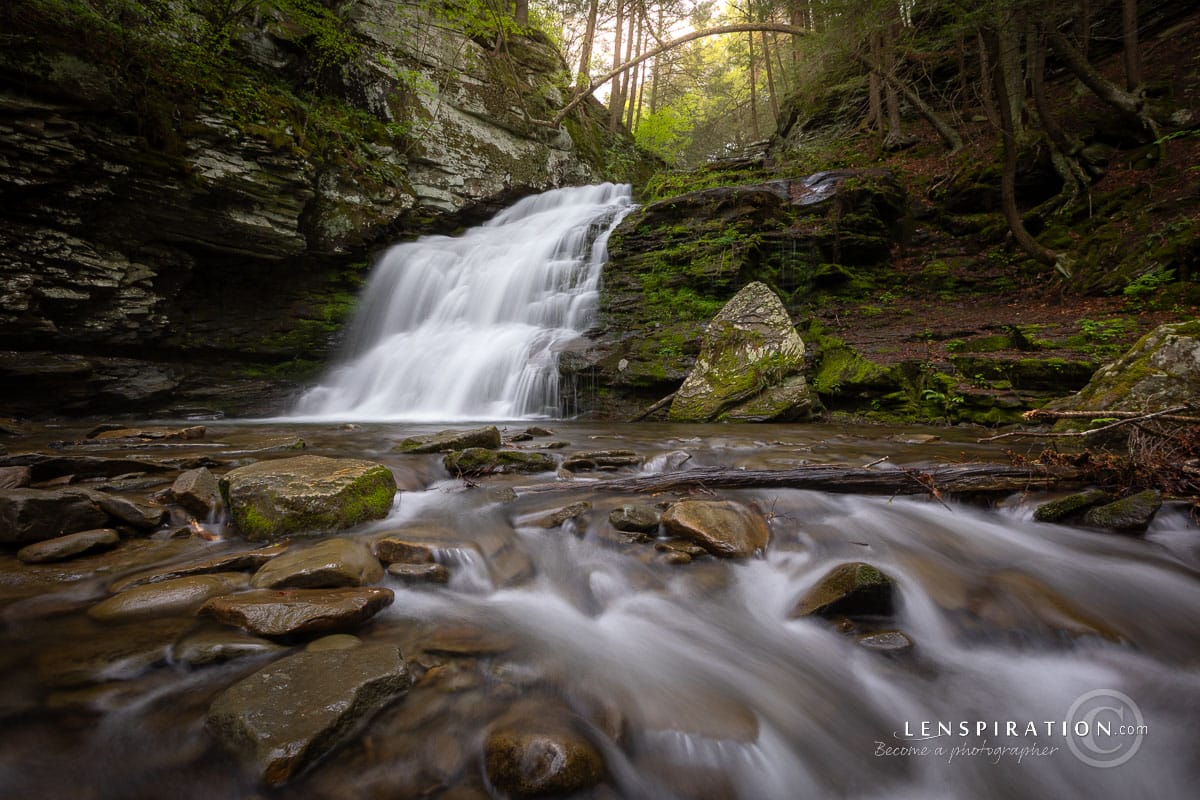
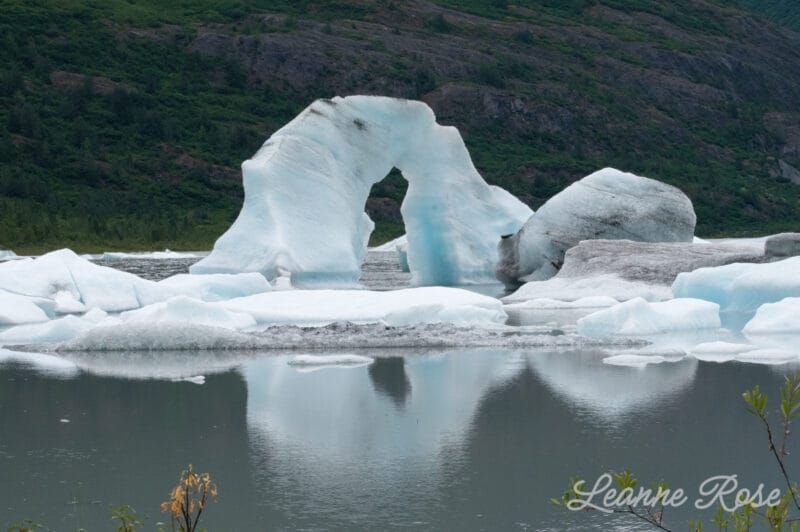
And like Dave said, water is almost never blue.
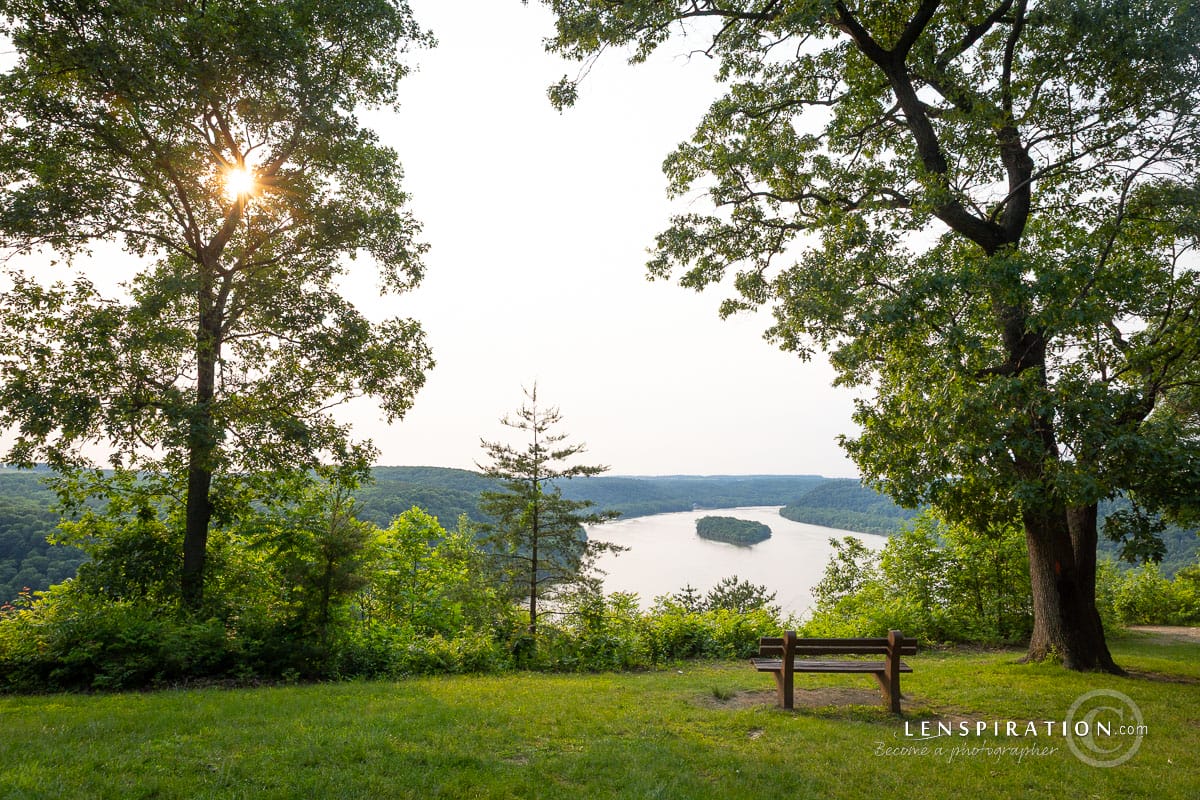
Do you see the color of objects in the above photo differently now than before? (Even the sun! The sunrays are yellow, but the sun itself is almost always white in a realistically processed photo.)
It’s all part of taking the first steps into color theory. 🙂
Studying color in nature starts by spending time outside (or in this case, looking at outdoor photos). A deeper understanding of any topic begins with spending more time immersing yourself in it!
Which is exactly what Paul is exhorting Timothy to do here in I Timothy 4:13-15:
“Till I come, give attendance to reading, to exhortation, to doctrine. Neglect not the gift that is in thee, which was given thee by prophecy, with the laying on of the hands of the presbytery. Meditate upon these things; give thyself wholly to them; that thy profiting may appear to all.”
Do I have a personal-observation understanding of God’s ways? Or do I just think I know what the Bible says because of what I’ve heard others say? Could various things I know about the Bible actually be considered misconceptions?
Spending time in nature and learning neat stuff from personal observation in the outdoors is fun. But it is only of temporal value. On the other hand, the wisdom, understanding and knowledge so beneficial for every-day life that we glean from spending time in God’s Word is of much greater value!
I give attendance to photography articles, critique, and composition principles all the time. How much better is it to give attendance to reading God’s Word, listening to others expound on it, and understanding it’s doctrines.
I don’t neglect going out and taking pictures . . . because I love taking pictures! It’s not hard to neglect spending time with God . . . if I love to spend time with God.
Are you like me, and think about what would make a pretty picture, wherever I go? Like, driving down the road. I’m always telling Julianna “Ah, what a neat photo that would make!” I’m meditating on landscape photography all the time. I meditate on the things I surround myself with and I’m familiar with.
And boy do I give myself wholly to landscape photography! I wear myself out. I forget about my headaches (story about that here!). I do whatever it takes to get the shot! That’s what I can be like with the Scriptures too.
And when all is said and done, when I step back and look at my beautiful photography portfolio, everything I did to get the shots appears to all. I have something beautiful and beneficial to share with the world. And how much more beautiful and beneficial to the world is Christ’s work in me when I am in love with Him and His Word, when His patience shines through when my sin nature is irritated, when His way of escape prevails when my sin nature would have succumbed to the temptation, when His meekness controls my actions when my sin nature would have dished out “what they deserve”.
When I spend time in God’s Word, it changes who I am.
If I want to deepen my understanding of color theory and find out what colors are really like in the great outdoors, I clear up misconceptions by spending time in nature. Do I want to deepen my understanding of the Bible and really know what the Scriptures say? Clear up misconceptions by reading and meditating upon them. Your profiting will appear to all!


0 Comments